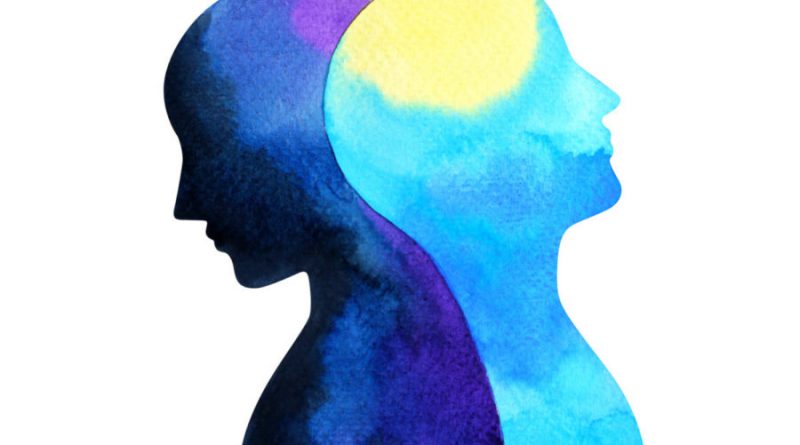
Confronting bipolar disorder
At one point in my life Iwas at the brink of losing it all. I struggled to do the job which Ihad loved for so long, my marriage was slipping through my fingers as my wife could not recognise the man she married. I gambled away almost all our life savings buying an expensive car which Ididn’tdrive. Some nights Iwould party till the club closed, and on some nights Iwould feel so aloneand empty. Everyone called it a mid-life crisis, but Ifeltit was more than that. I scheduled an appointment with my doctor, and to summarize, Iwasdiagnosed with bipolar disorder. This, as Ilater learnt, is also known as a manic-depressive illness, whichis a brain disorder that causesunusualshifts in mood, energy,activity levels, andthe ability tocarry out day-to-day tasks. Theseshifts are called mood episodes and they are classified as either manicepisodesor depressive episodes. During a manic episode, you mayfind yourself having a lot of energy, feeling high or elated, and could do risky and spontaneous things. Onthe other hand, depressive episodes are characterised by feeling sad, empty and hopeless. You can also have trouble concentrating, becomeforgetful and even havingsuicidal thoughts. You see, Ihad been going through all these things, but Ididn’tknow what was happening to me.My hope isthat reading this willhelpyou to confrontyour bipolar, andpossibly avoid the pain that Iwent through beforei decidedto get help.–Ronald Chifamba